

Plant and Process
The Sanjia Coking Plant — Process, Plant and Environment
From a load of raw coal to a shed of coke ready to ship.
- 01Coal Blending
- 02Stamping
- 03Coking
- 04Quenching
- 05Screening
- 06Loading and Despatch
The aerial view is a rendering of the site, not an aerial photograph; the labels show the order of the process steps, not the actual site layout.
Preparing the aerial view…
01
Our Coking Process
The plant produces in stamp-charging ovens: the blend is first compacted into a single coal cake, then pushed sideways into the carbonisation chamber. No chemical products are extracted; the heat in the raw gas is converted in full into power and heat, which removes coking wastewater and crude benzene at source.
The base of the blend is Jincheng anthracite.
Stamping permits a higher proportion of weakly caking coal and anthracite in the blend than conventional practice allows, giving greater blending flexibility. The group holds a technical appraisal for coking with a high proportion of anthracite in the blend.
Weakly caking coal and anthracite in blend30–50%
Process Flow Across the Plant
The diagram below traces the three flows through the plant: material enters from the fully enclosed raw coal yard and leaves, after blending and stamping, coking, quenching and screening, into the fully enclosed finished coke shed; the heat in the raw gas is turned into power and heat; the flue gas is desulphurised and denitrified before release.
Material Line
Energy Conversion
Flue Gas Treatment
Coal Blending
Stamping
Coking
Quenching
Screening
Loading and Despatch
Raw gas
Waste-heat boiler
Steam turbine
To the state grid
District heating
Desulphurisation
Compliant emission
Material Line
- Coal Blending
- Stamping
- Coking
- Quenching
- Screening
- Loading and Despatch
Energy Conversion
- Raw gas
- Waste-heat boiler
- Steam turbine
- To the state grid
- District heating
Flue Gas Treatment
- Desulphurisation
- Compliant emission
Ovens and Equipment
- Oven batteries
- 12
- Carbonisation chambers
- 143
- Chamber height
- 4.3 m
- Coal cake per chamber
- 54 t
- Coal cake bulk density
- 1.05 g/cm³
Environment and Resource Recycling
Coking without wasting heat; all waste heat put to efficient use.
The environmental record of this plant comes from the process route itself, not from abatement equipment added at the end of the line. It was this practice that the four bodies examined when the demonstration title was awarded.
Resource Recycling

Buildings, equipment positions and piping are conceptual, not an actual site plan. Numbers correspond to the equipment and process descriptions below.
- 1Stamp-charging ovens
- 2Waste-heat boiler
- 3Steam turbine
- 4To the state grid560 GWh/a
- 5District heating in winter1,500,000 m²via the Gaoping heating utility
- 6Desulphurisation
- 7Desulphurisation gypsum
- 8Group cement operations
Energy Conversion
- Stamp-charging ovens→ Hot flue gas →Waste-heat boiler
- Waste-heat boiler→ Steam →Steam turbine
- Steam turbine→ Power →To the state grid
- Steam turbine→ Extraction steam →District heating in winter
Material Loop
- Waste-heat boiler→ Flue gas →Desulphurisation
- Desulphurisation→ By-product →Desulphurisation gypsum
- Desulphurisation gypsum→ Reuse →Group cement operations
Three Facts That Can Be Verified Independently
The following three can be checked directly during a site visit, without relying on any statement from the plant.
- Coking wastewater
- None generated. There is no coking wastewater treatment facility on site, which can be verified directly during a site visit.
- Crude benzene
- No inventory and no handling operation on site. The plant does not extract chemical products.
- Operating pressure
- The entire gas circuit runs under negative pressure. There is no fugitive leakage from the pipework and no noticeable odour on site.
Environmental Performance
| Flue gas SO₂ | 20 mg/m³ |
|---|---|
| Flue gas NOₓ | 80 mg/m³ |
| Water per tonne of coke | 0.49 t/t |
| Share of power exported to grid | 80.53%Actual as of 2026-08 |
| Raw material yard | Fully enclosed. An enclosed raw material yard is a mandatory requirement of the ultra-low emission programme for the Chinese coking industry. |
| Discharge permit | Valid to 2028-08-23 |
| Ultra-low emission certification | In progress. |
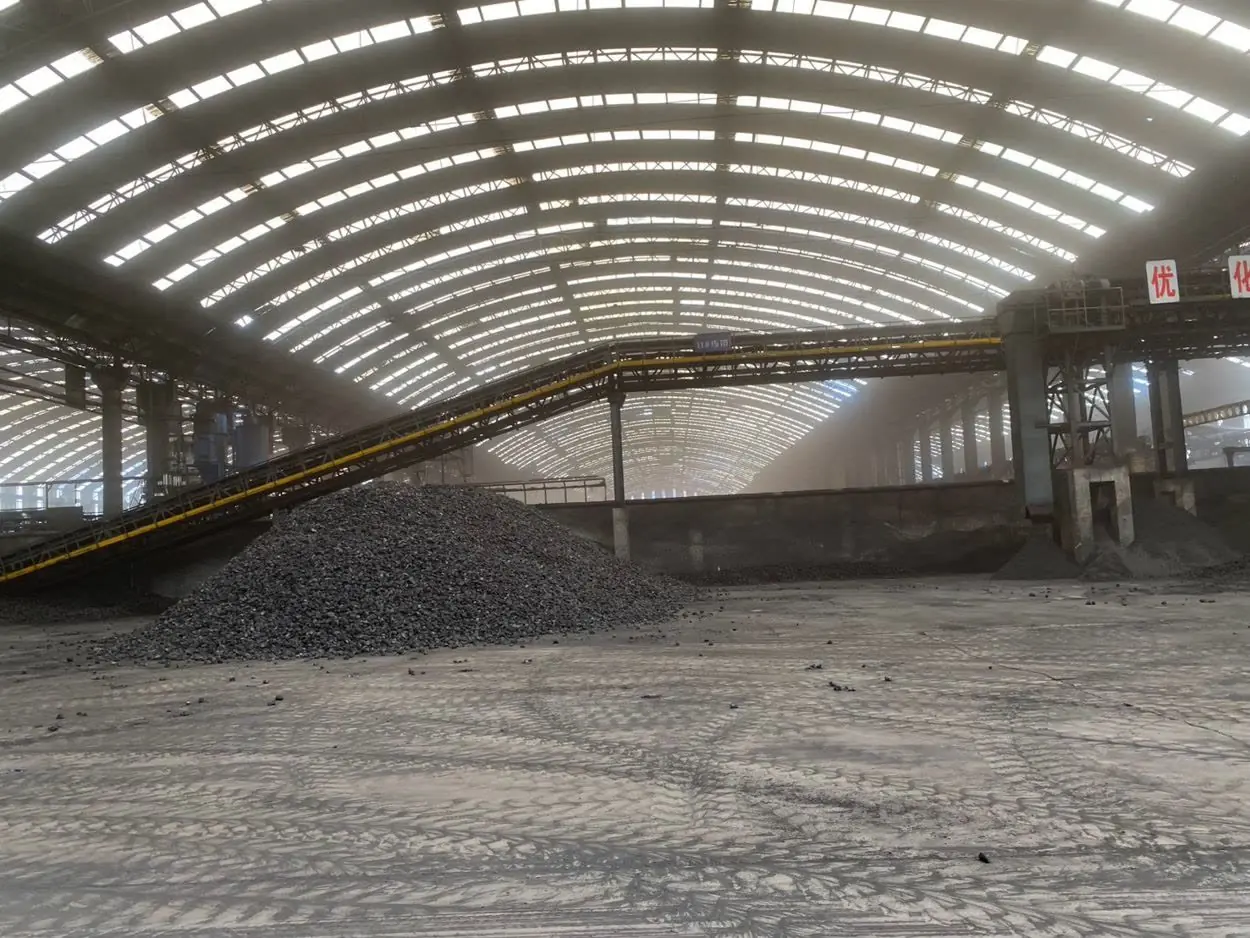
Export Logistics
- Main export port
- Rizhao Port, ShandongA deep-water seaport with direct sailings to Japan, Korea and Southeast Asia.
- Plant to port
- To be confirmed
- Inland transport mode
- To be confirmed
The Site
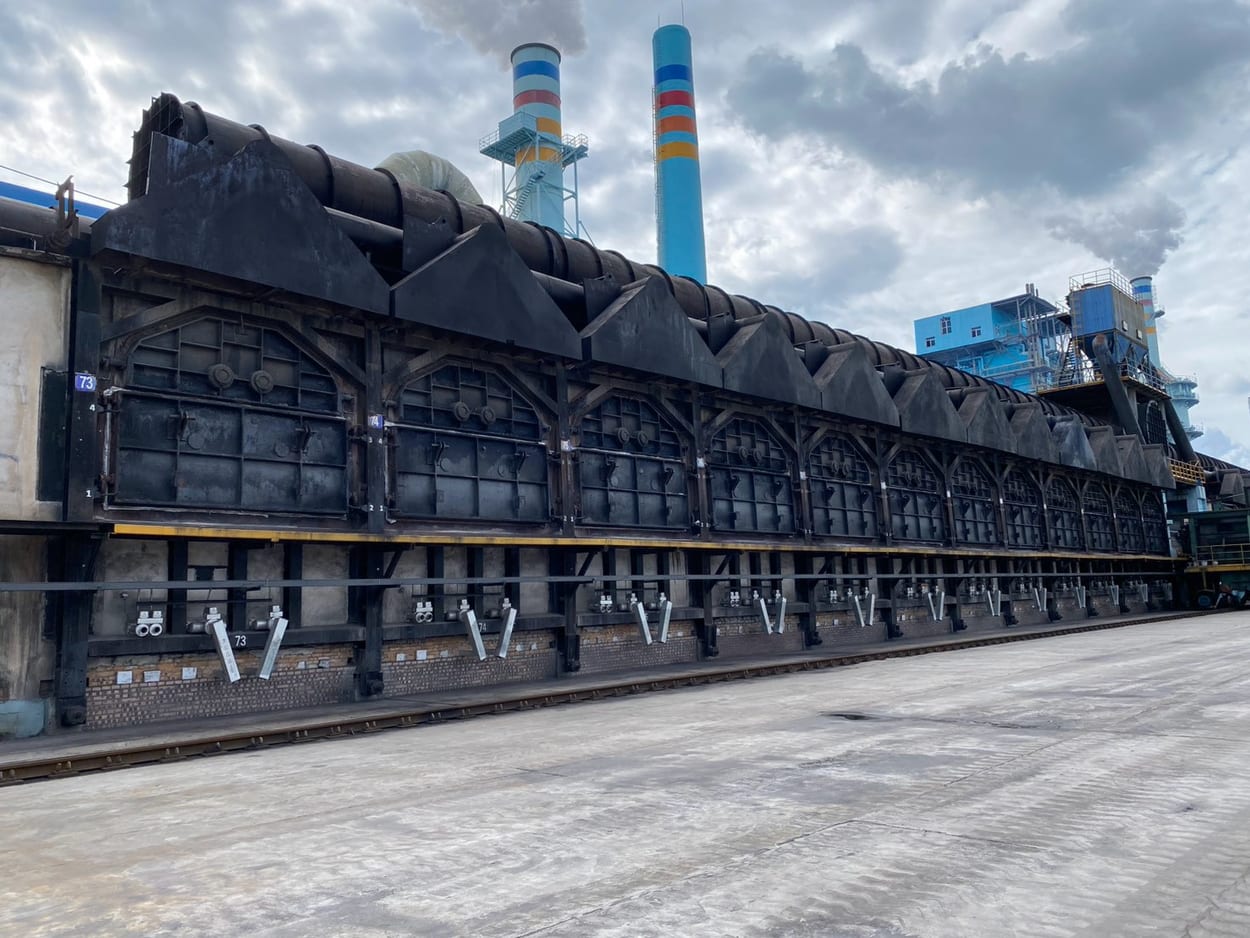
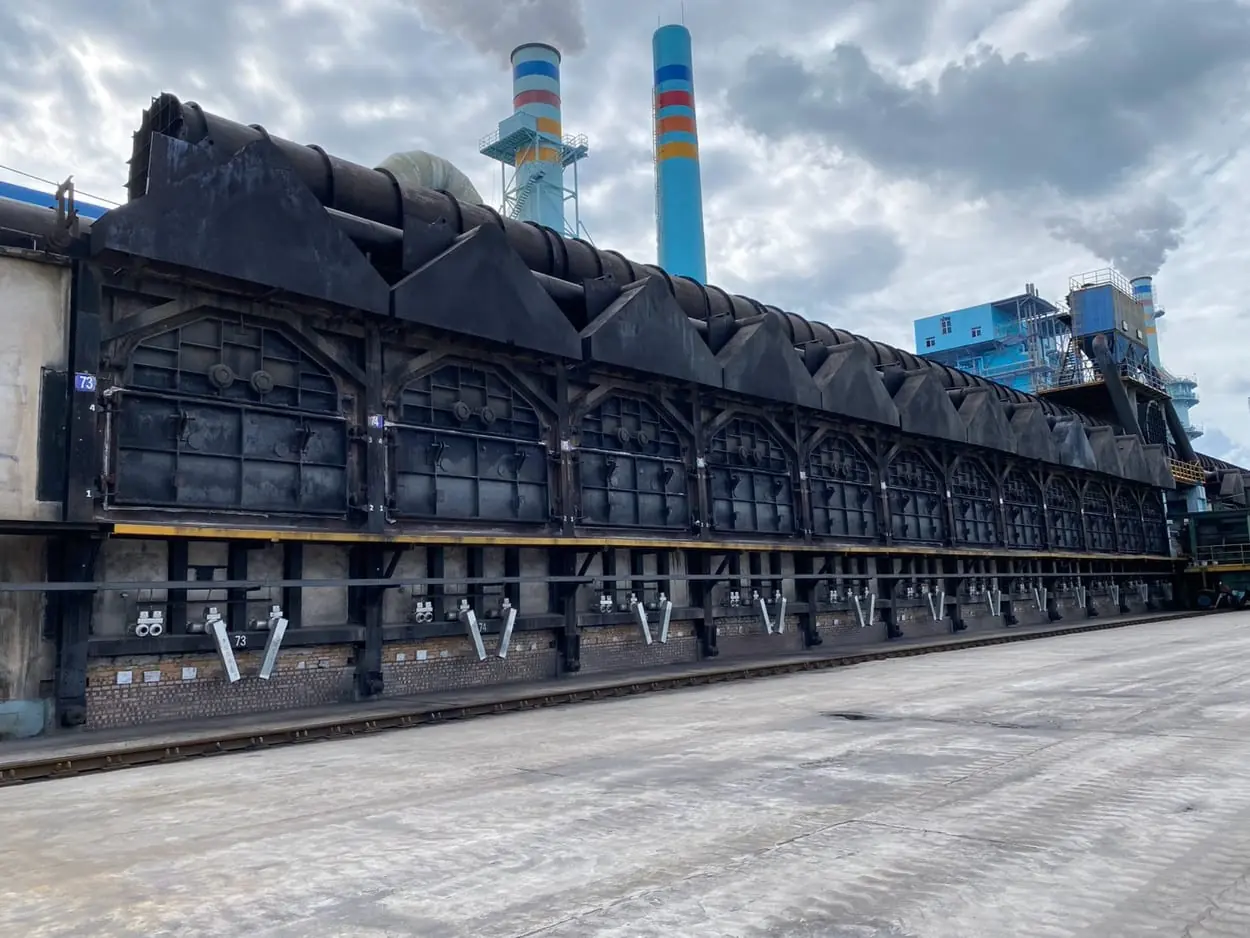
The oven batteries. 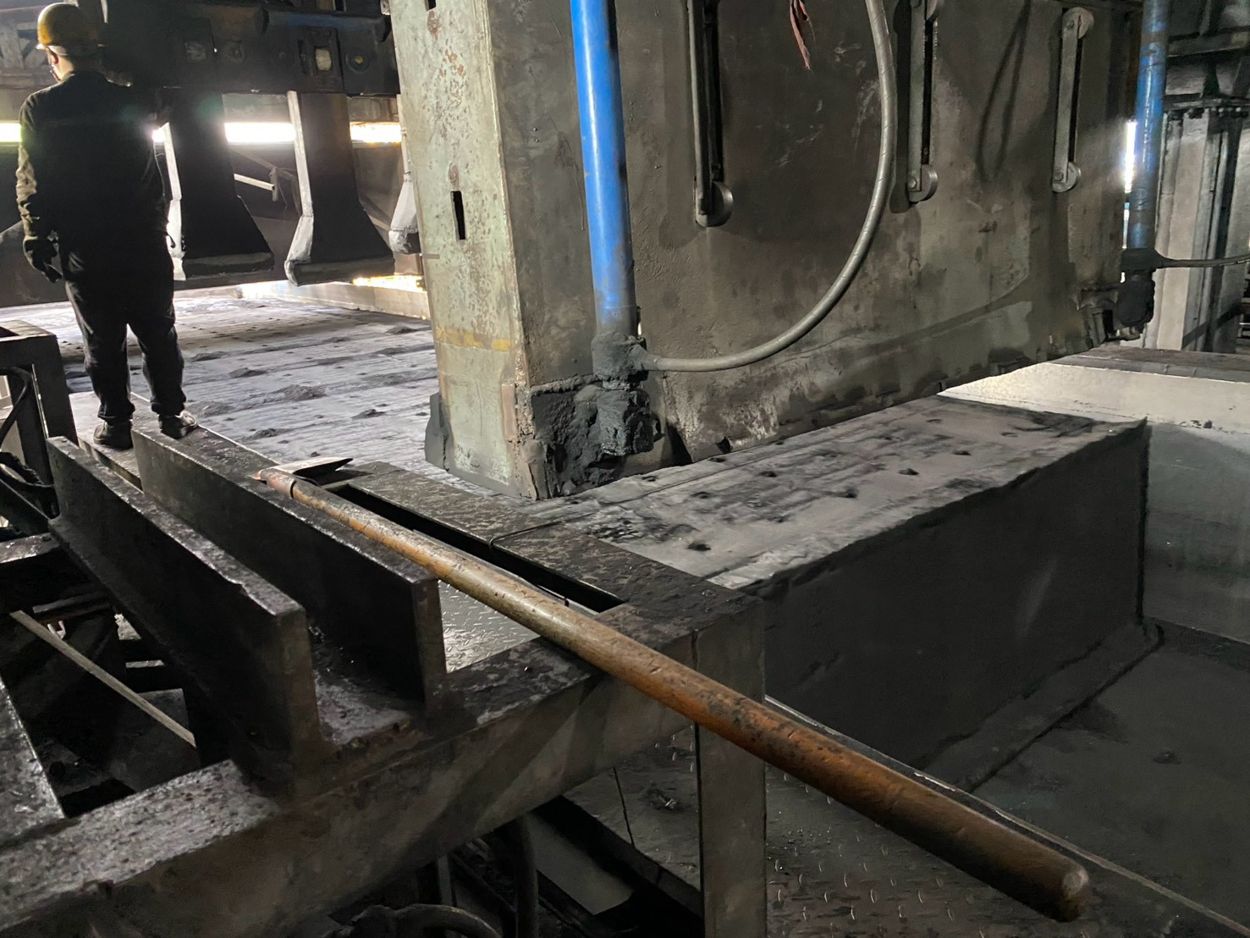
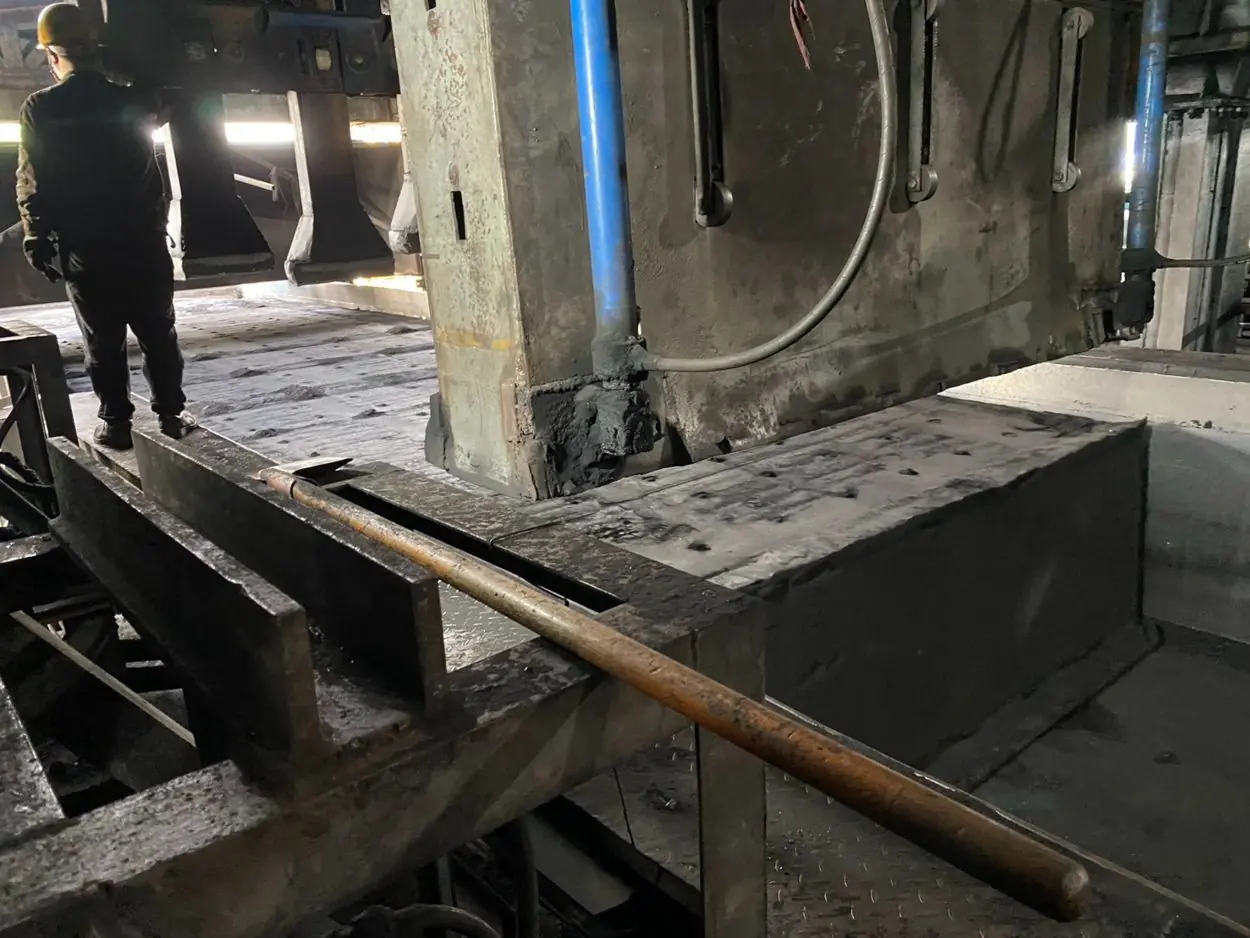
The charging area. In stamp charging the coal cake is pushed into the chamber sideways as a single body. 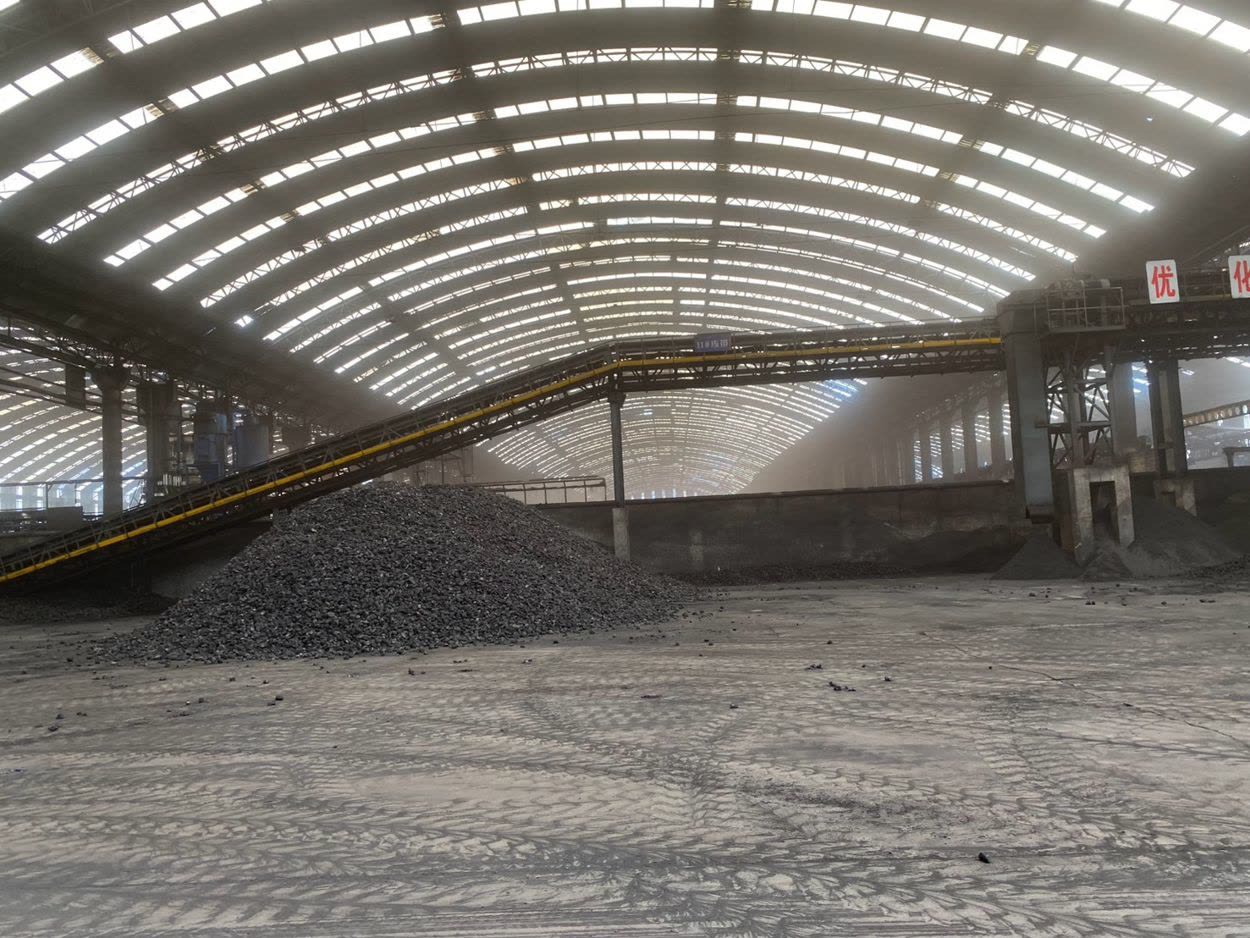
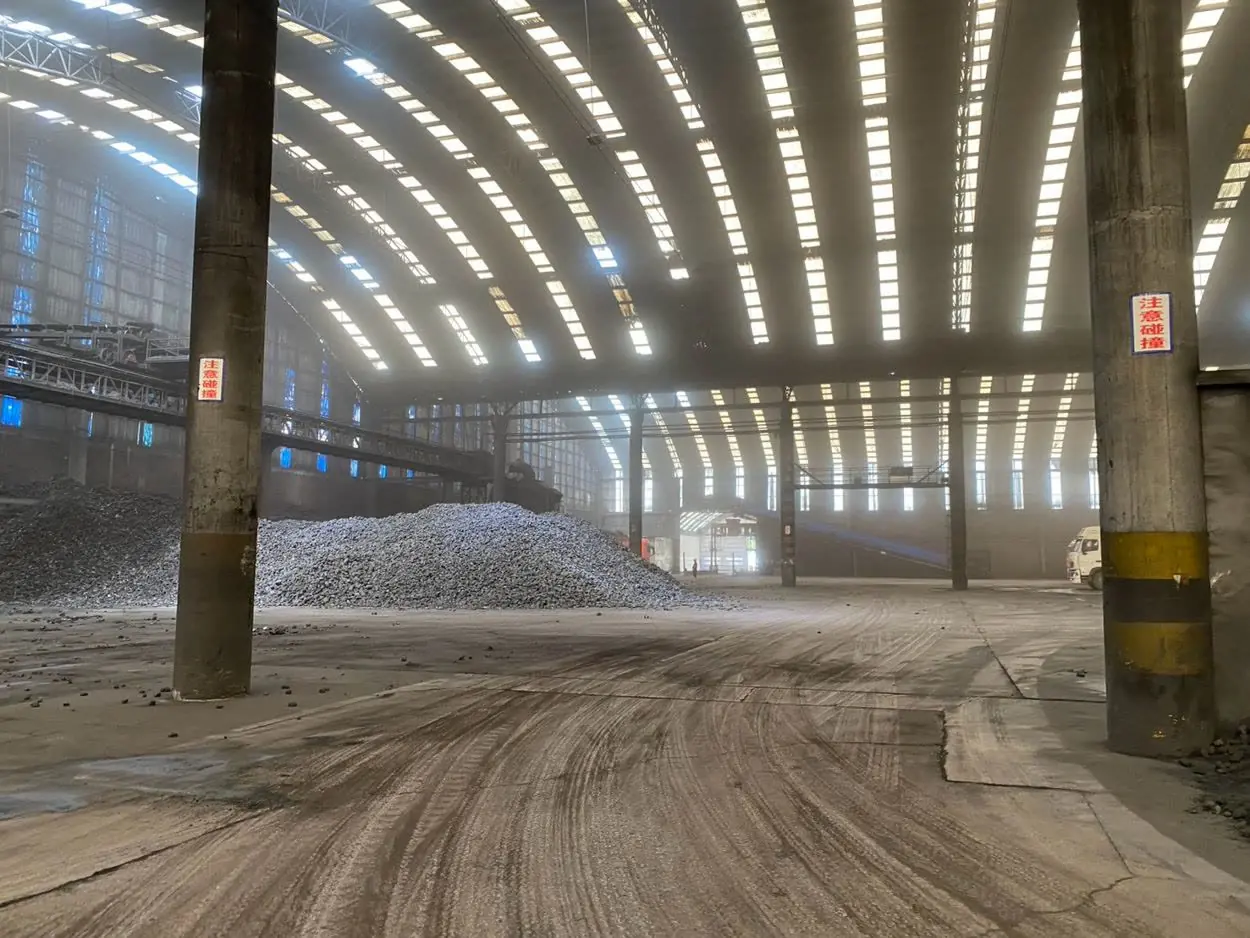
The enclosed raw coal shed. 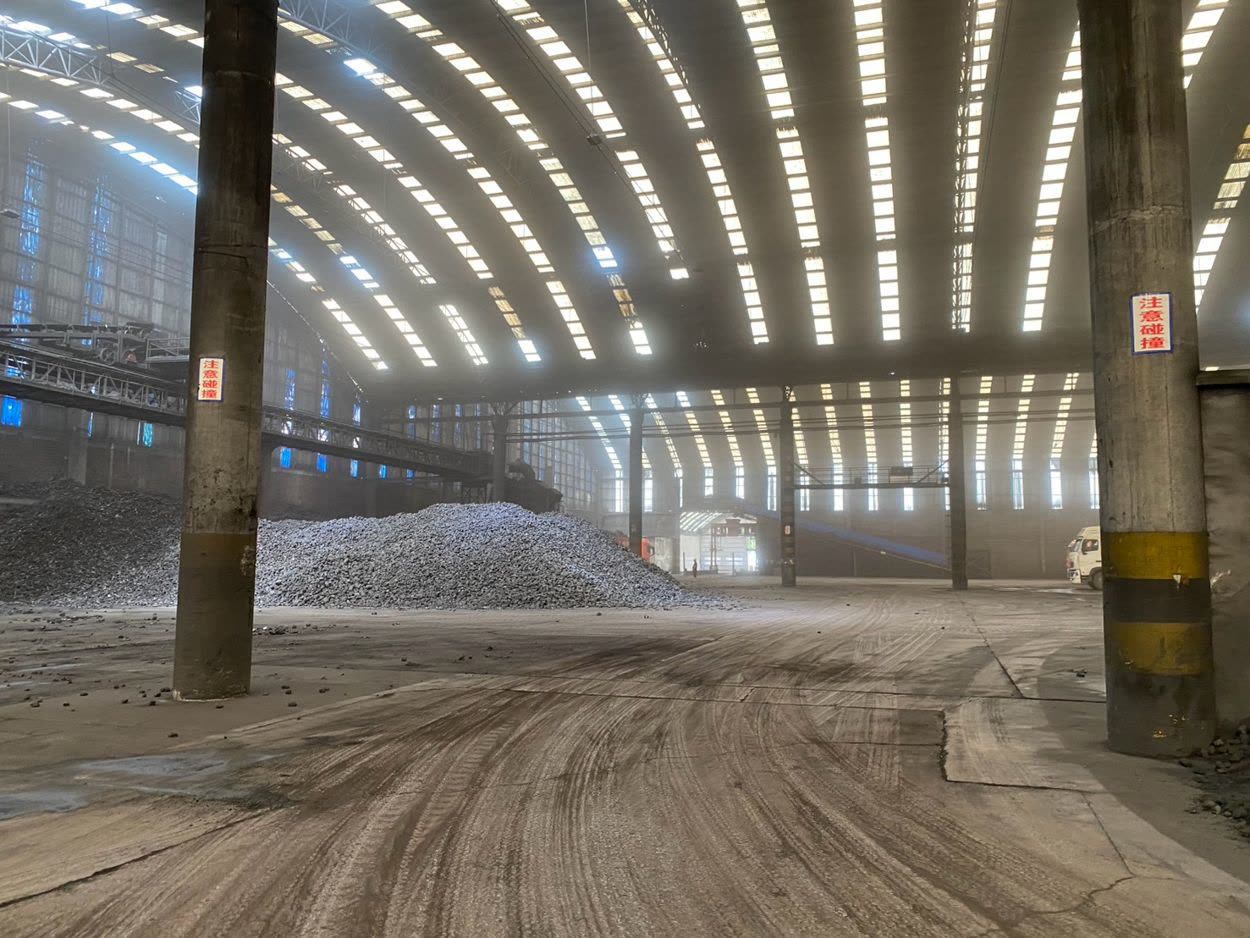
The enclosed finished coke shed, with coke stored in separate bays by size. 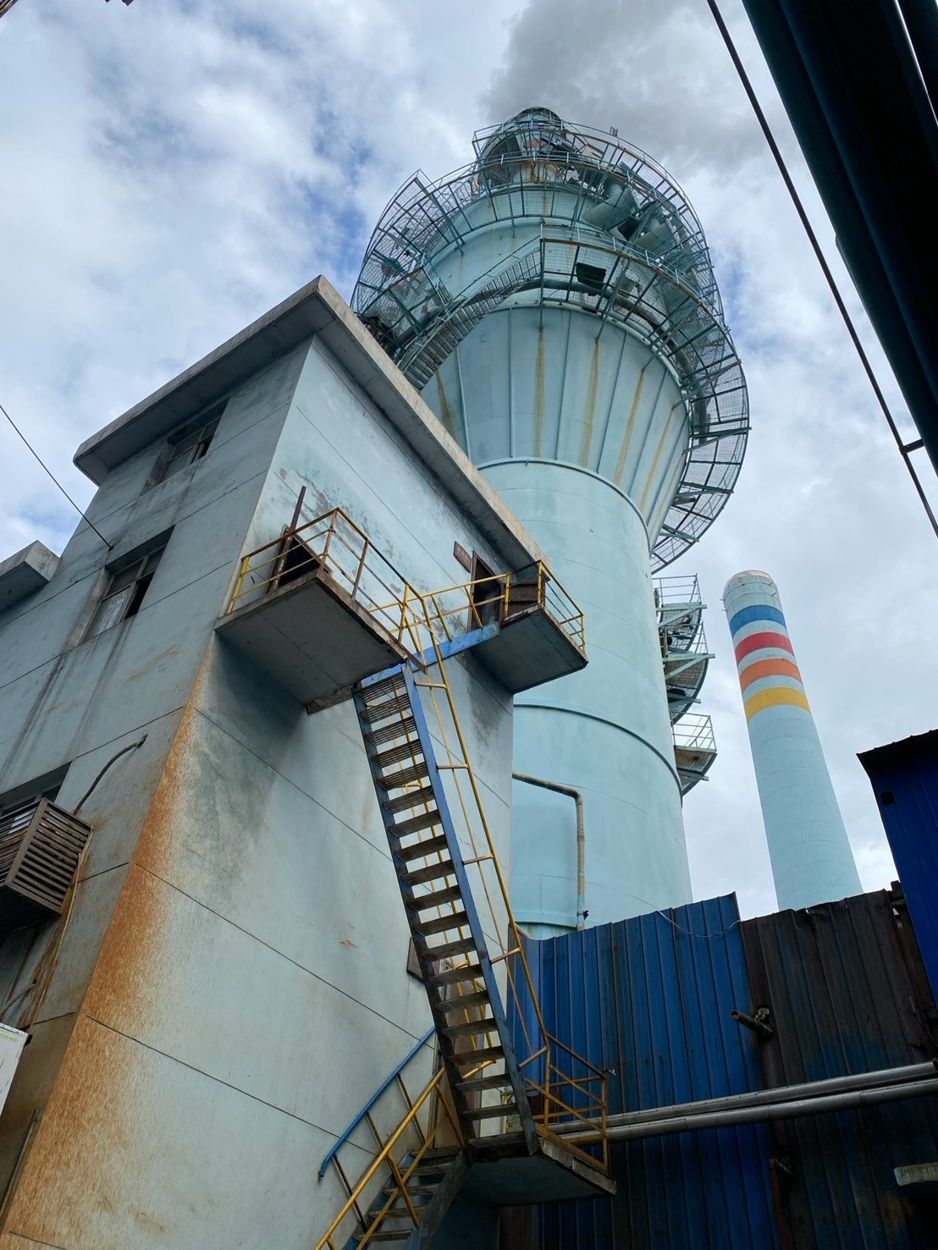
The desulphurisation tower, a wet limestone-gypsum process that also serves dust removal and compliant emissions. 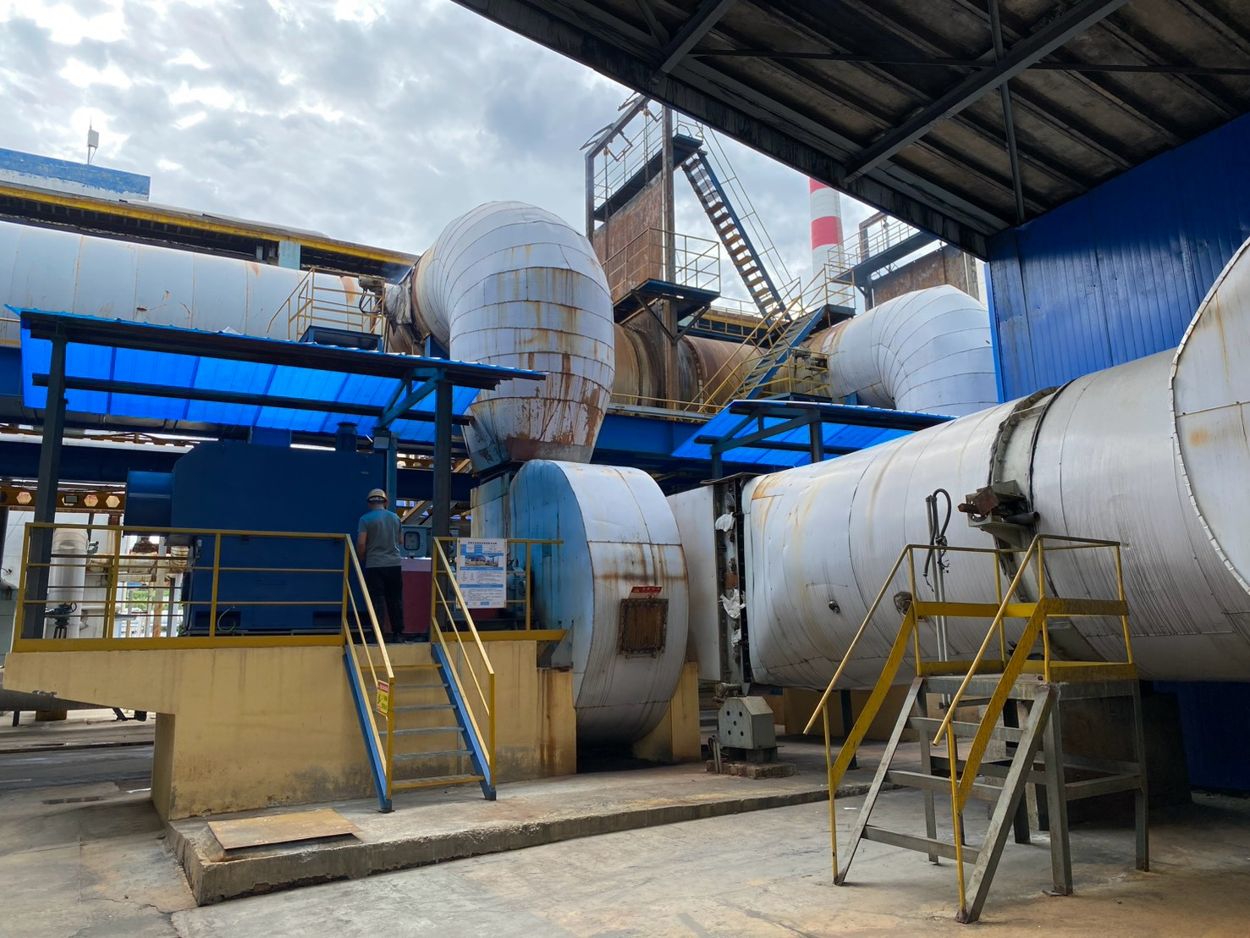
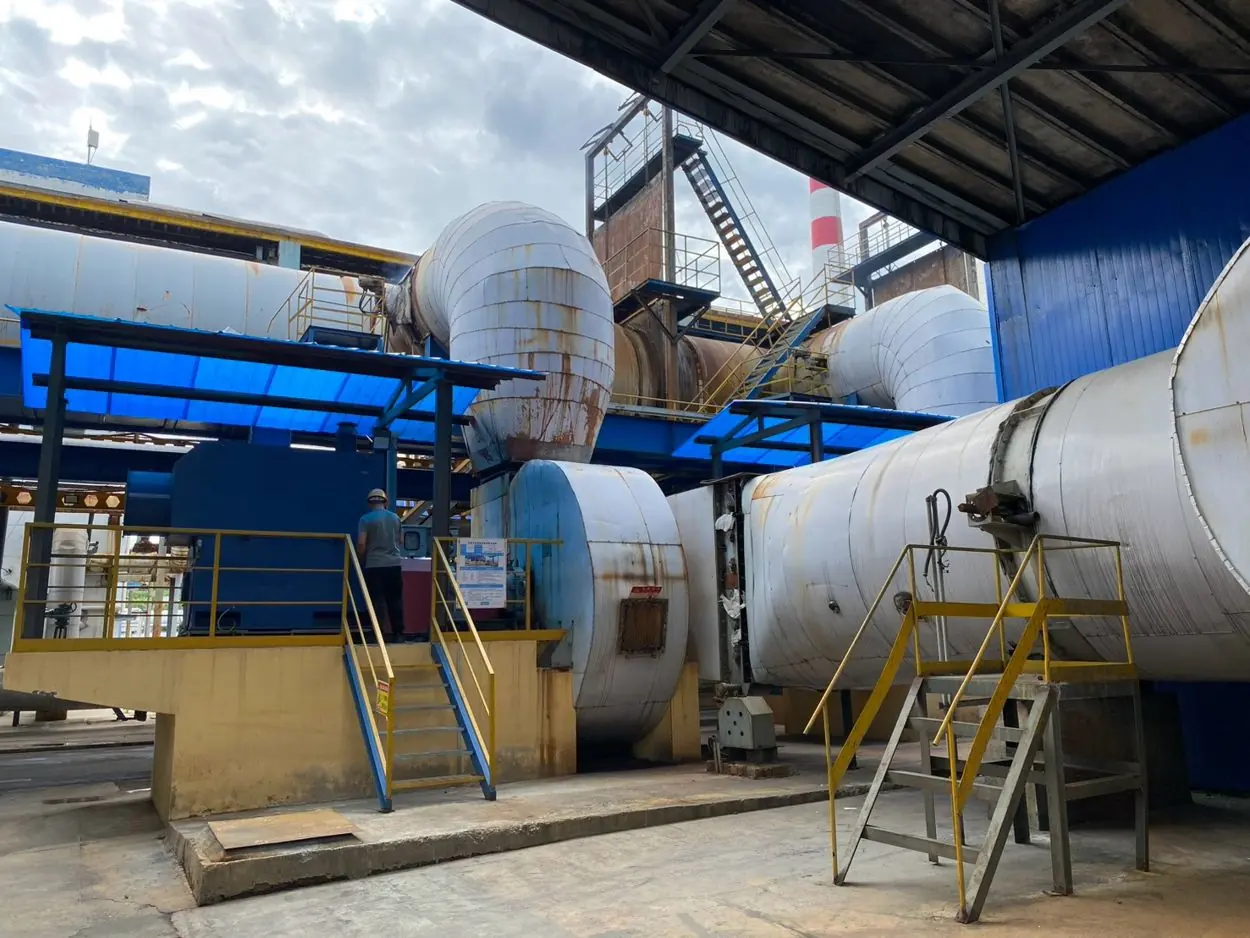
The induced draught fans of the high-temperature boilers, part of the waste-heat power system. 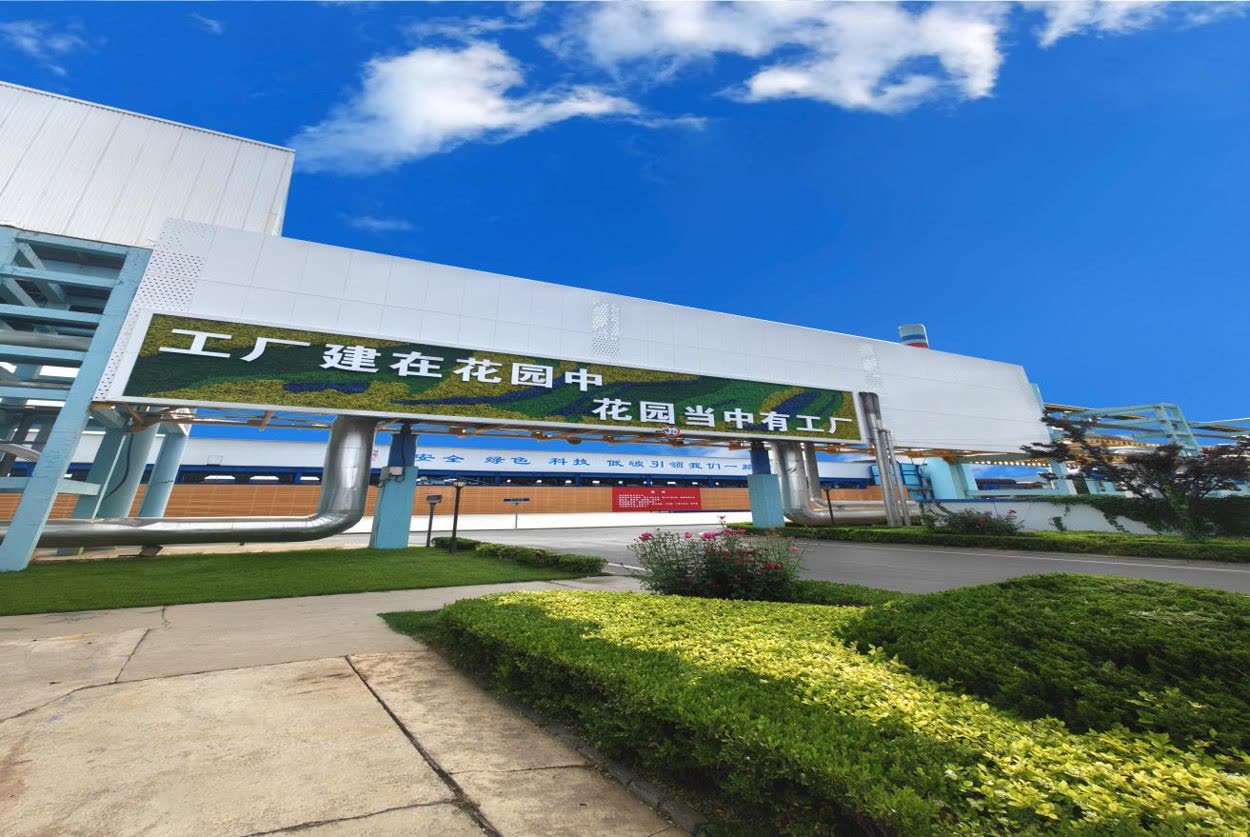
The site. The operating principle of the plant: a works built inside a garden, and a garden inside the works.